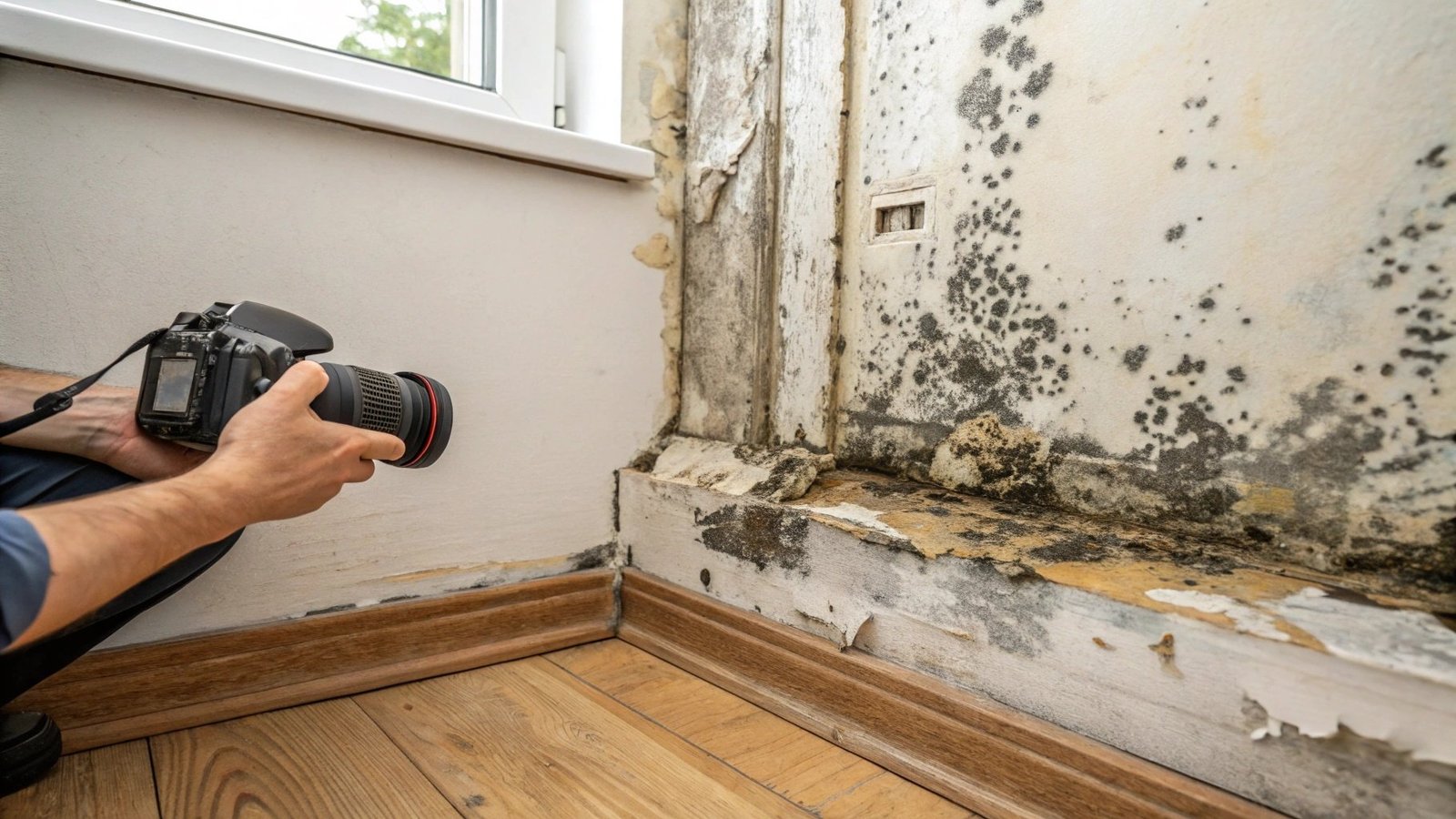
Damp and mould are two of the most common—and potentially expensive—problems found during building surveys in Watford and across Hertfordshire. As RICS chartered surveyors, we see the impact of moisture issues every day, from minor cosmetic problems to serious structural defects that can cost tens of thousands to remedy.
Whether you're a first-time home buyer viewing properties in North Watford or an experienced investor looking at older properties, understanding damp and mould is crucial. Our surveyors have prepared this comprehensive guide to help you recognize the warning signs, understand different types of damp, and learn how professional surveys can protect you from unexpected repair costs.
Why Damp and Mould Matter
Damp isn't just unsightly—it's a serious defect that can affect both the condition of a property and the health of its occupants. Left untreated, moisture problems can lead to:
- Structural damage: Wet rot, dry rot, and deterioration of timber elements
- Decoration damage: Peeling paint, stained wallpaper, and crumbling plaster
- Health issues: Respiratory problems, allergies, and asthma triggered by mould spores
- Property devaluation: Damp can significantly reduce market valuation
- Higher energy bills: Damp walls provide poor insulation
- Unpleasant living conditions: Musty odors and cold, clammy rooms
This is why our homebuyers surveys and Level 3 building surveys always include thorough damp investigations. Early detection helps buyers make informed decisions and negotiate repair costs before purchase.
The Three Main Types of Damp
Our qualified chartered surveyors assess three primary categories of damp, each with different causes, characteristics, and solutions.
1. Rising Damp
Rising damp occurs when ground moisture travels up through walls via capillary action. While it's actually less common than many people think, it's still a concern in older properties in Watford and Hertfordshire.
Common causes include:
- Failed or missing damp-proof course (DPC)
- DPC bridged by external render, soil, or paving
- Porous brickwork in very old buildings
- Ground levels raised above the DPC
Warning signs our surveyors look for:
- Tide marks on walls, typically up to 1 meter high
- Damaged skirting boards and peeling paint at low level
- Crumbling plaster on lower walls
- Salt deposits (efflorescence) on wall surfaces
- Musty odor in affected rooms
- Decayed timber floor joists near affected walls
Typical repair costs: Depending on severity and property size, treating rising damp can cost £1,500-£5,000+. This often involves installing a new chemical DPC, replastering with specialized render, and addressing the underlying cause.
2. Penetrating Damp
Penetrating damp is water entering from outside through defects in the building envelope. This is very common in properties throughout Watford and is one of the main issues our building surveyors identify.
Common entry points include:
- Damaged or missing roof tiles
- Faulty or blocked gutters and downpipes
- Cracked render or pointing
- Defective window seals
- Porous brickwork
- Chimney defects
- Parapet walls without proper weatherproofing
Warning signs include:
- Damp patches that worsen during rain
- Staining on walls and ceilings
- Wet patches appearing at specific points
- Water marks around windows
- Internal damage below external defects
One case study from our practice involved a Victorian property in North Watford where the owners noticed damp patches on an upstairs bedroom ceiling. Our Level 3 building survey revealed multiple missing roof tiles and blocked guttering. The resulting penetrating damp had begun to rot the timber roof structure. Early detection through our survey saved the buyer from a £15,000 repair bill they weren't expecting.
Typical repair costs: Varies widely depending on the source. Simple fixes like repairing pointing might cost £500-£1,500, while major roof repairs could run to £5,000-£15,000+.
3. Condensation
Condensation is actually the most common form of "damp" we encounter during surveys in Watford. It's caused by excess moisture in the air condensing on cold surfaces rather than water entering from outside.
Contributing factors:
- Poor ventilation, especially in bathrooms and kitchens
- Inadequate heating
- Lifestyle factors (drying clothes indoors, etc.)
- Cold bridging through solid walls
- Blocked or inadequate air vents
- Poor insulation creating cold surfaces
Warning signs:
- Mould growth in corners and on cold external walls
- Streaming windows, especially in mornings
- Musty smell
- Black mould in bathrooms and kitchens
- Damp patches behind furniture placed against external walls
- Water droplets on walls and windows
Typical solutions: Often the cheapest to address, ranging from improved ventilation (£200-£1,000 for extractors) to better heating and insulation. However, severe cases in poorly insulated properties might need £3,000-£10,000 for comprehensive insulation upgrades.
How Our Surveyors Detect Damp
During every RICS Level 2 home survey and Level 3 building survey, our chartered surveyors employ multiple methods to detect and assess damp:
Visual Inspection
Experience is invaluable. Our surveyors know what to look for—staining patterns, damage to decorations, salt deposits, and other visual clues that indicate moisture problems. We examine both internally and externally, looking at:
- Wall surfaces for staining and damage
- External walls for defects that could allow water entry
- Roof spaces for signs of leaks
- Below-floor areas where accessible
- Window and door seals
- Gutters, downpipes, and drainage
Moisture Meters
Our surveyors use professional-grade moisture meters to measure moisture levels in walls, floors, and timber. These provide objective readings that help us:
- Confirm visual observations
- Identify hidden moisture
- Distinguish between surface condensation and penetrating damp
- Monitor moisture levels at different heights
It's important to note that moisture meter readings are a guide, not definitive proof. Our experienced surveyors interpret these readings alongside other evidence to reach accurate conclusions.
Thermal Imaging (Level 3 Surveys)
For comprehensive Level 3 building surveys, we often use thermal imaging cameras. These reveal:
- Cold spots indicating poor insulation or moisture
- Heat loss patterns
- Hidden moisture behind surfaces
- Thermal bridging issues
Damp in Different Property Types
The type of property significantly affects damp risks. Here's what our surveyors typically find across different types of residential properties in Watford and Hertfordshire:
Victorian and Edwardian Properties
These older properties (common in central Watford and North Watford) were built with solid walls and no cavity. They're more prone to:
- Rising damp if the original DPC has failed
- Penetrating damp through porous brickwork
- Condensation on cold, uninsulated walls
- Timber decay in suspended floors
Our surveyors recommend Level 3 building surveys for these older or larger properties, as detailed investigation is essential.
1930s Properties
These semi-detached and terraced houses typically have cavity walls but may suffer from:
- Cavity wall tie corrosion (especially important to check)
- Failed DPC systems
- Roof problems leading to penetrating damp
- Defective render allowing water penetration
Modern Properties
Even new builds can have damp issues. Our snagging surveys often reveal:
- Construction-related moisture still drying out
- Defective DPC installation
- Poor workmanship around windows
- Inadequate ventilation causing condensation
Real-World Case Studies from Our Practice
Case Study 1: The Hidden Cost
We surveyed a terraced house in Watford for a first-time buyer. The property looked well-maintained, freshly decorated with no obvious issues. However, our homebuyer report identified:
- Slightly elevated moisture readings in one corner
- Fresh paint that seemed to be hiding something
- External ground levels above the DPC
We recommended further investigation. It turned out the previous owner had painted over damp problems caused by a bridged DPC. Our survey helped the buyer negotiate £3,500 off the purchase price to cover remedial works. This is exactly how professional surveys help you avoid unexpected repair costs.
Case Study 2: Condensation vs. Damp
A worried client called us about black mould in their property in Hertfordshire. They'd been quoted £8,000 for a new DPC by a damp-proofing company. Our independent survey revealed it was actually severe condensation caused by:
- Blocked air vents
- Poor heating
- Single glazing
Total fix: £1,200 for better ventilation and clearing the vents. This demonstrates why getting advice from independent chartered surveyors is so valuable—we have no vested interest in recommending expensive treatments you don't need.
When to Request a Specialist Damp Survey
Our RICS Level 2 and Level 3 surveys include damp investigation as standard. However, we might recommend a specialist damp survey if:
- We identify significant damp but can't determine the exact cause
- The property has a history of severe damp problems
- You're planning major renovation works
- Previous damp treatment appears to have failed
- There are signs of serious timber decay
Specialist surveys involve more invasive investigation, including:
- Opening up walls to inspect internal conditions
- Laboratory analysis of materials
- Detailed assessment of timber
- Comprehensive diagnosis and treatment specification
Questions to Ask When Viewing Properties
Before even commissioning a survey, savvy home buyers in Watford ask:
- Has the property ever had damp problems? Be wary if the answer seems evasive.
- Has any damp treatment been carried out? Ask for guarantees and invoices.
- Are there any leaks or water ingress? Current owners should know about ongoing issues.
- When was the roof last inspected or repaired? Roof problems are a major cause of damp.
- Do the radiators work in all rooms? Poor heating contributes to condensation.
- Are there extractor fans in bathrooms and kitchen? Ventilation is crucial.
The Role of a Professional Survey
You might wonder if you can spot damp yourself during viewings. While obvious problems may be visible, our surveyors provide:
- Expert eye: We've seen thousands of properties and know subtle signs
- Proper equipment: Moisture meters and thermal cameras reveal hidden issues
- Impartial assessment: We work for you, not the seller
- Detailed reporting: Clear documentation of problems and likely costs
- Risk assessment: We help you understand if issues are minor or serious
- Peace of mind: Confidence in your purchase decision
Our survey report will clearly explain any damp found, its likely cause, severity, and estimated repair costs. This information helps you make informed decisions about whether to proceed, renegotiate, or walk away.
Preventing Damp in Your Property
Once you've purchased a property in Watford or Hertfordshire, maintaining it properly helps prevent damp:
- Regular maintenance: Check gutters, roofs, and external walls annually
- Good ventilation: Use extractor fans and open windows regularly
- Adequate heating: Keep properties warm, especially in winter
- Monitor ground levels: Ensure soil, paving, and pathways don't bridge the DPC
- Clear vegetation: Don't let plants grow against walls
- Deal with problems promptly: Small issues become expensive if ignored
Common Myths About Damp
As surveyors, we regularly encounter misconceptions:
Myth 1: "All old houses have rising damp"
Reality: Many symptoms blamed on rising damp are actually penetrating damp or condensation. True rising damp is less common than often claimed.
Myth 2: "Chemical DPC injection always works"
Reality: If the wrong diagnosis has been made, or if underlying issues aren't addressed, damp can return even after expensive treatment.
Myth 3: "Damp is just cosmetic"
Reality: Left untreated, damp causes structural damage, health problems, and significant repair costs.
Myth 4: "You can see all damp problems during a viewing"
Reality: Many issues are hidden behind fresh decoration, furniture, or within wall cavities. Professional equipment and expertise are essential.
Conclusion
Damp and mould detection is a critical part of property assessment. Whether you're buying a Victorian terrace in North Watford or a modern flat in Hertfordshire, understanding moisture problems helps you make informed decisions and avoid unexpected repair costs.
Our RICS Level 2 home surveys and Level 3 building surveys include comprehensive damp investigation as standard. With our expertise, professional equipment, and local knowledge of property in Watford and surrounding areas, we help identify issues before they become your expensive problem.
Remember, a professional survey isn't an expense—it's an investment in peace of mind and protection from costly surprises. The few hundred pounds spent on a comprehensive homebuyer report could save you thousands in unexpected repairs.
Need a Property Survey in Watford?
Our qualified chartered surveyors are here to help. We provide comprehensive RICS Level 2 and Level 3 surveys throughout Watford, Hertfordshire and the home counties. Every survey includes thorough damp investigation using professional equipment and decades of combined experience.