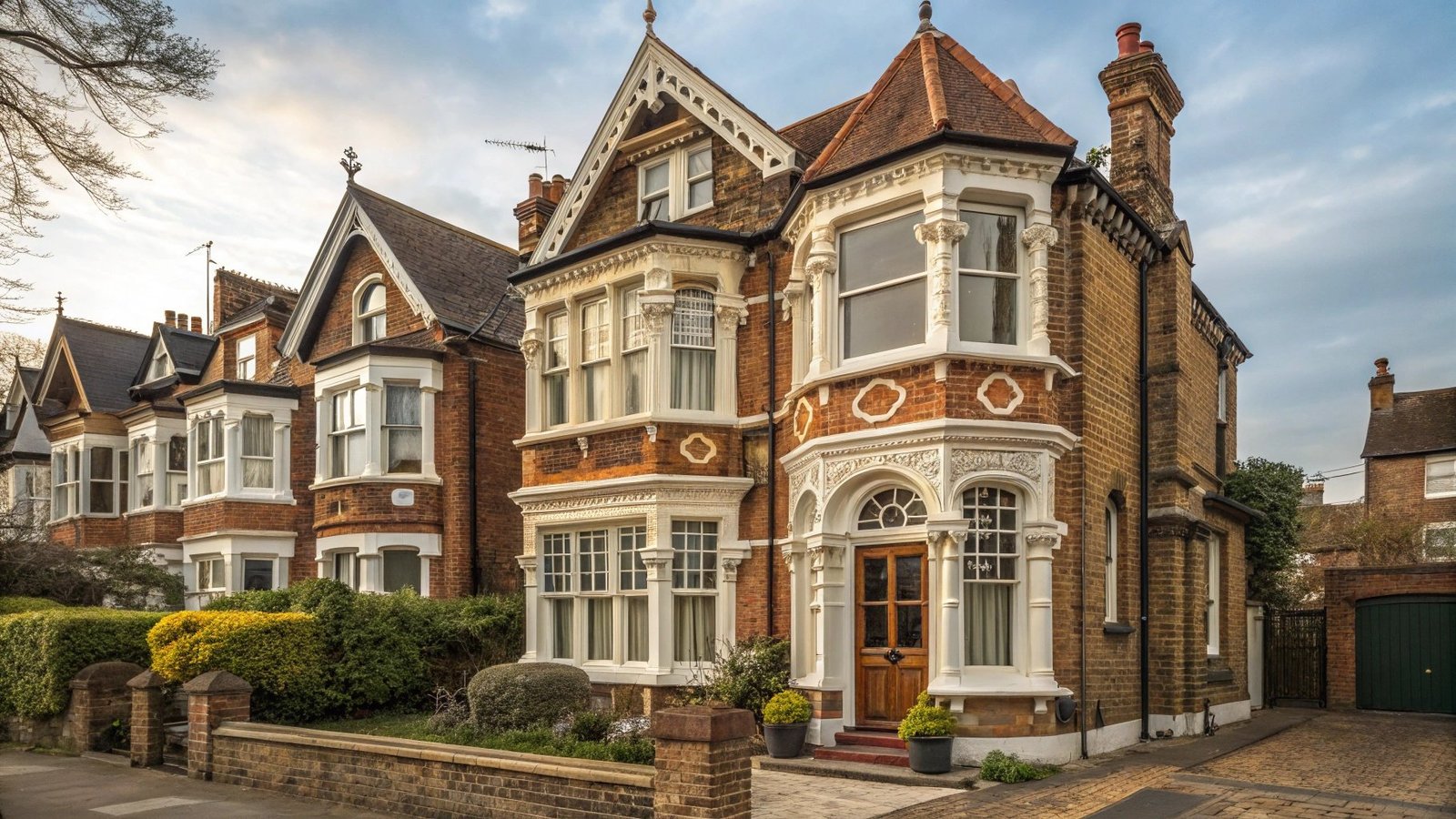
Victorian properties are among the most characterful and sought-after homes in Watford and Hertfordshire. Built between 1837 and 1901, these period properties offer high ceilings, original features, and solid construction. However, as RICS chartered surveyors specializing in older properties, we know they also present unique challenges that require expert assessment.
If you're considering buying a Victorian home in North Watford, central Watford, or surrounding areas, understanding what to look for is crucial. This comprehensive guide explains why Level 3 building surveys are essential for Victorian properties, what common defects our surveyors typically find, and how to make informed decisions when purchasing these beautiful but complex homes.
Why Victorian Properties Need Specialist Surveys
Victorian homes were built using methods and materials vastly different from modern construction. While the craftsmanship was often excellent, these properties are now 120-180+ years old. Age brings inevitable deterioration, and understanding a Victorian property's condition requires specialist knowledge.
Our qualified chartered surveyors have assessed hundreds of Victorian properties across Watford. We consistently find that RICS Level 3 building surveys are essential because:
- Construction complexity: Victorian homes use solid wall construction, lime mortar, and traditional timber framing that behaves differently from modern materials
- Age-related issues: After 120+ years, even well-maintained properties have problems
- Previous alterations: Most Victorian homes have been modified over decades, sometimes poorly
- Hidden defects: Period properties excel at hiding problems behind plaster and decorations
- Expensive repairs: Fixing Victorian property defects properly requires specialist knowledge and can be costly
A standard Level 2 homebuyer report simply doesn't provide enough detail for Victorian properties. The Level 3 survey's comprehensive approach is necessary to properly assess older or larger properties like these.
Understanding Victorian Construction Methods
To appreciate why certain problems occur in Victorian homes, it helps to understand how they were built.
Solid Wall Construction
Unlike modern cavity wall construction, Victorian properties typically have solid brick walls one or two bricks thick (9" or 18"). This affects:
- Damp penetration: No cavity means water can travel straight through porous brickwork
- Thermal efficiency: Poor insulation leads to cold homes and high heating costs
- Condensation: Cold walls in warm rooms create condensation and mould
Our building surveys always assess the condition of solid walls carefully, checking for damp, structural movement, and deterioration.
Lime Mortar and Traditional Materials
Victorian builders used lime mortar, not modern cement mortar. Lime is softer and more flexible, which is actually beneficial—it allows walls to "breathe" and accommodates slight movement. However:
- Inappropriate cement repointing can trap moisture and cause damage
- Lime mortar deteriorates over time and needs periodic renewal
- Modern repairs using wrong materials can create problems
Our surveyors check whether any repointing has been done correctly using lime-based mortars appropriate for older properties.
Traditional Timber Construction
Victorian homes use solid timber throughout:
- Floor joists (often without damp-proof courses underneath)
- Roof structures (typically cut timber, not modern trusses)
- Window frames and internal joinery
After 120+ years, timber can suffer from rot, woodworm, and structural weakness. Our Level 3 building surveys include thorough timber inspection where accessible.
Common Defects in Victorian Properties
Based on thousands of surveys across Watford and Hertfordshire, here are the issues we most frequently find in Victorian homes.
1. Damp Problems
Damp is probably the most common issue in Victorian properties. Our surveys typically identify:
Rising Damp: Many Victorian homes were built without damp-proof courses (DPCs), or their original DPCs have failed. We look for:
- Tide marks on walls up to 1 meter high
- Deteriorating plaster at low level
- Salt deposits (efflorescence)
- Damp meter readings confirming moisture
- Rotten skirting boards and timber floors
Penetrating Damp: Water entering through defective external elements:
- Porous or damaged brickwork
- Failed render or pointing
- Leaking gutters and downpipes
- Roof problems
- Chimney defects
Condensation: Solid walls combined with modern lifestyles create condensation issues, especially after installation of double glazing which reduces ventilation.
A recent survey we conducted on a Victorian terrace in North Watford revealed all three types of damp. The property looked fine on viewing, but our detailed inspection uncovered £8,000 of necessary damp remediation work.
2. Structural Movement and Subsidence
Victorian properties often show structural movement. Not all movement is serious, but our chartered building surveyors assess carefully:
Historic settlement: Most Victorian homes have settled over 120+ years. We look for cracks that are stable and old (indicating historic movement that's no longer active).
Active subsidence: More concerning is ongoing movement caused by:
- Clay soil shrinkage during dry periods
- Tree root activity near foundations
- Drainage problems washing away soil
- Poor foundations (Victorian foundations are shallow by modern standards)
Our surveys identify cracks, assess their severity, and advise whether monitoring or structural repairs are needed. Subsidence repairs can cost £10,000-£50,000+, so identifying active movement before purchase is crucial.
3. Roof Problems
Victorian roofs are complex and often show their age. Common issues include:
- Slipped or missing tiles: Leading to water penetration
- Deteriorating timber: Roof joists and rafters can suffer from rot
- Failed valley gutters: Complex roof layouts mean vulnerable valleys
- Chimney problems: Unused chimneys deteriorate and leak
- Poor previous repairs: Patch repairs that don't address underlying issues
Complete roof replacement on a Victorian property can cost £10,000-£25,000 depending on size. Our Level 3 surveys assess roof condition as thoroughly as safe access permits.
4. Outdated Services
Electrical, plumbing, heating, and drainage systems in Victorian homes are rarely original (thankfully!), but they're often outdated:
- Electrical systems: Old wiring doesn't meet modern standards and may be unsafe
- Plumbing: Lead pipes, old iron pipes that rust, inefficient layouts
- Heating: Inadequate radiators, old boilers nearing end of life
- Drainage: Clay drainage pipes can crack and collapse
Rewiring a Victorian home costs £4,000-£8,000. New heating systems add another £4,000-£7,000. Our survey reports identify which services need updating and provide estimated costs.
5. Timber Defects
Victorian homes contain extensive timber, and age takes its toll:
Wet Rot: Caused by persistent damp, wet rot affects floor joists, window frames, and external timbers. It's common and treatable but requires addressing the source of moisture.
Dry Rot: More serious than wet rot, dry rot can spread through masonry and destroy structural timber. It requires specialist treatment costing thousands.
Woodworm: Old infestations are common and usually inactive. Active woodworm needs treatment, especially in structural timbers.
Our surveyors inspect all accessible timber, looking for signs of decay, infestation, and structural adequacy.
6. Window and Door Problems
Original Victorian windows are beautiful but problematic:
- Timber deterioration from years of weather exposure
- Single glazing means poor thermal efficiency and noise insulation
- Sash windows need regular maintenance and often don't function properly
- Replacement windows sometimes don't suit the property and may have been poorly installed
We assess whether windows need repair, renovation, or replacement, and whether any replacements require planning permission (conservation areas).
What a Level 3 Survey Examines
When our chartered surveyor will carry out a Level 3 building survey on a Victorian property in Watford, the inspection is comprehensive:
External Inspection
- All elevations for structural cracks, bulging, or movement
- Roof coverings, chimneys, and roof structures (from ground level with binoculars)
- Gutters, downpipes, and drainage
- Pointing and brickwork condition
- Damp-proof course existence and effectiveness
- Windows, doors, and external joinery
- Boundaries, retaining walls, and outbuildings
Internal Inspection
- All rooms for damp, structural cracks, and decorative condition
- Floors for levelness, bounce, and potential defects underneath
- Ceilings for cracks, staining, and sagging
- Services (electrical, plumbing, heating) where visible
- Built-in joinery and internal features
- Evidence of past problems or inappropriate repairs
Roof Space Inspection
- Roof structure and timber condition
- Evidence of water penetration
- Insulation levels
- Water tanks and pipework
- Signs of rot or infestation
Below Ground (Where Accessible)
- Cellars or basements if present
- Under-floor spaces where access hatches exist
- Floor structure and ventilation
- Evidence of damp or timber problems
The resulting survey report for a Victorian property is detailed and technical, providing comprehensive information to help you make an informed decision.
Victorian Properties in Watford
Watford has excellent examples of Victorian housing, particularly in:
Central Watford: Terraced properties near the town center, often with two or three stories plus cellars. These properties offer great character but typically need significant investment in updating and maintenance.
North Watford: Victorian and Edwardian family homes in residential streets. These are popular with buyers seeking period features and good-sized family accommodation.
Conservation Areas: Some Victorian properties in Watford sit within conservation areas, meaning extra planning restrictions apply to alterations and replacements.
As locally based surveyors with in-depth local knowledge of property in Watford, we understand which Victorian streets have particular characteristics or common issues.
Should You Buy a Victorian Property?
Despite the potential problems, Victorian properties make wonderful homes. They offer:
- Character and charm: High ceilings, original features, generous room sizes
- Solid construction: Built to last with quality materials
- Desirable locations: Often in established, central locations
- Good investment: Well-maintained period properties hold value
- Satisfaction: The pleasure of owning and restoring a beautiful old building
The key is buying with eyes open. Our Level 3 building surveys provide the detailed information you need to:
- Understand exactly what you're buying
- Budget realistically for repairs and upgrades
- Negotiate the price based on required works
- Plan renovation projects properly
- Avoid unexpected repair costs that derail your finances
Renovating Victorian Properties
Many buyers plan to renovate Victorian properties. Our surveys help by:
Identifying structural constraints: Understanding what walls are structural helps plan internal alterations.
Highlighting urgent works: Some issues need addressing before cosmetic improvements.
Revealing hidden costs: That charming Victorian house may need £30,000 of essential works before you even think about your dream kitchen.
Suggesting appropriate approaches: Period properties need sympathetic renovation using appropriate materials and methods.
Questions to Ask When Viewing Victorian Properties
Before commissioning a survey, ask sellers:
- When was the roof last replaced or repaired?
- Has there been any damp treatment? (Ask for guarantees)
- When were services last updated? (electrical, plumbing, heating)
- Are there any structural issues or movement?
- Is the property in a conservation area?
- Has the property been underpinned?
- Are there any ongoing maintenance issues?
- Has Japanese knotweed ever been present?
Evasive answers should raise red flags and reinforce the need for a thorough survey.
Conclusion
Victorian properties in Watford and Hertfordshire offer beautiful, characterful homes with excellent potential. However, their age and construction methods mean professional assessment by qualified chartered surveyors is essential.
A RICS Level 3 building survey provides the comprehensive analysis these older or larger properties require. Yes, it costs more than a basic Level 2 survey, but for Victorian homes, it's money extremely well spent.
Our team has decades of combined experience surveying period properties across Watford and Hertfordshire. We understand Victorian construction, know what to look for, and provide clear guidance on the property's condition and required repairs.
Don't let a Victorian property's beauty blind you to potential problems. Protect your investment with expert, independent advice from chartered building surveyors who specialize in older properties.
Planning to Buy a Victorian Property?
Our experienced surveyors specialize in assessing period properties throughout Watford and Hertfordshire. We provide detailed Level 3 building surveys that give you complete confidence in your purchase decision.