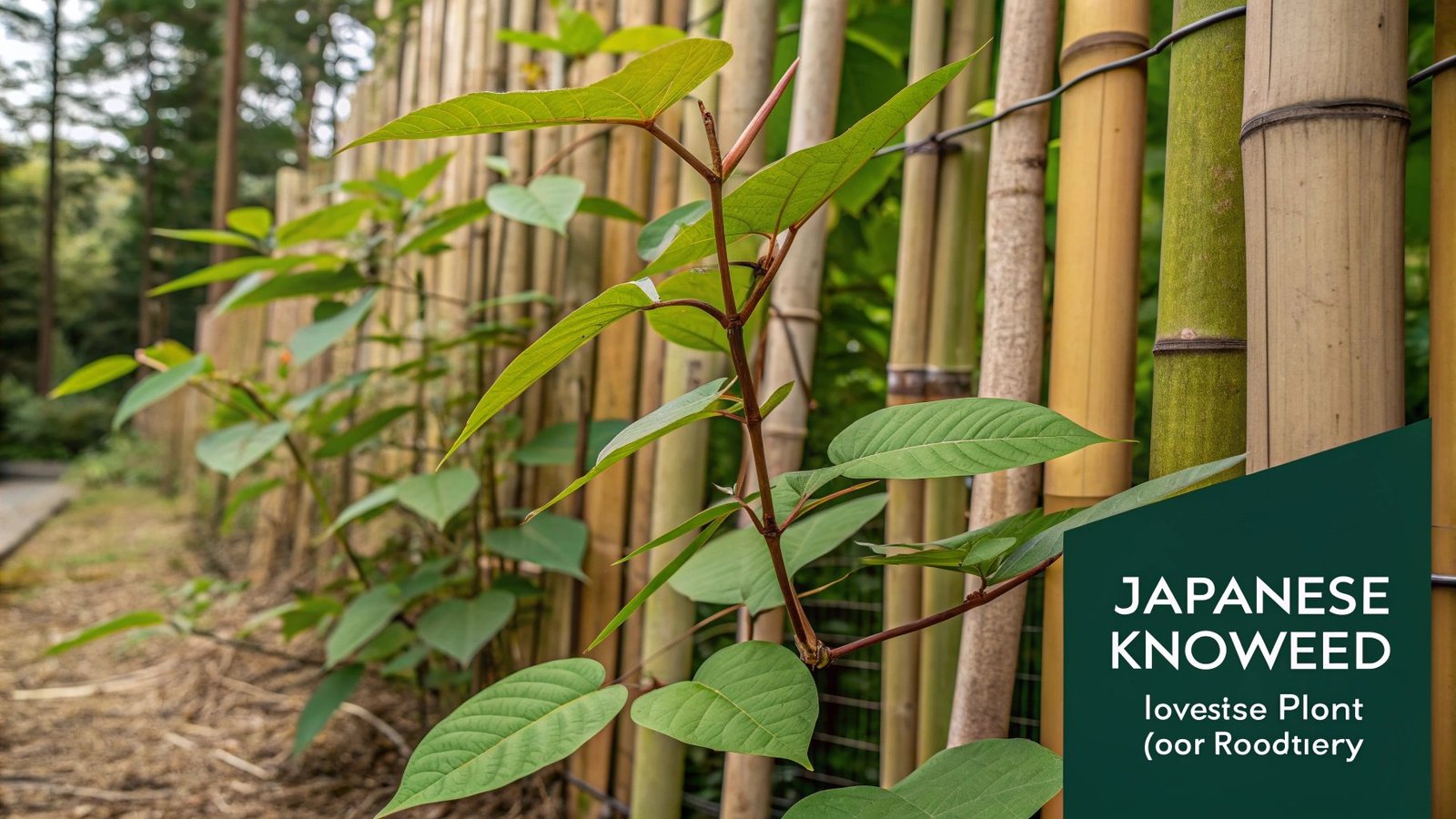
Japanese knotweed is one of the most concerning issues for property buyers in the UK. This invasive plant can cause significant structural damage, reduce property values by up to 10%, and make it extremely difficult to secure a mortgage. As experienced Watford Surveyors, we encounter Japanese knotweed regularly during property inspections, and understanding how to identify and deal with it is crucial for anyone buying a home in Hertfordshire.
In this comprehensive guide, we'll explain what Japanese knotweed is, how our RICS chartered surveyors detect it, the impact it can have on your property purchase, and the steps you should take if knotweed is discovered on or near your potential new home.
What is Japanese Knotweed?
Japanese knotweed (Fallopia japonica) is a fast-growing, invasive plant species originally introduced to the UK from Japan in the 1840s as an ornamental garden plant. What seemed like an attractive addition to Victorian gardens quickly became one of Britain's most problematic invasive species.
The plant is incredibly resilient and can grow up to 10cm per day during the summer months. It has distinctive heart-shaped leaves, bamboo-like hollow stems with purple speckles, and clusters of small cream-white flowers that appear in late summer. The real problem lies beneath the surface – Japanese knotweed has an extensive underground root system (called rhizomes) that can spread up to 7 metres horizontally and 3 metres deep.
These powerful rhizomes can penetrate through concrete, tarmac, paving, cavity walls, and even drainage systems, causing substantial structural damage to buildings, outbuildings, garden walls, and foundations. This is why Japanese knotweed is such a concern during building surveys and why mortgage lenders take it so seriously.
How to Identify Japanese Knotweed
During our property surveys in Watford and across Hertfordshire, we always conduct a thorough external inspection to check for signs of Japanese knotweed. Here are the key identification features:
Spring Identification (March to May)
In early spring, knotweed shoots emerge as red or purple asparagus-like spears pushing through the ground. These grow rapidly and can reach several metres in height within weeks.
Summer Identification (June to August)
By summer, Japanese knotweed is fully grown with distinctive features:
- Leaves: Shield or heart-shaped, bright green, arranged in a zig-zag pattern along the stem, typically 7-14cm long
- Stems: Hollow, bamboo-like with distinctive purple speckles, growing 2-3 metres tall (sometimes up to 4 metres)
- Flowers: Small, cream-white flowers appear in late summer, forming clusters up to 10cm long
- Growth pattern: Forms dense stands that crowd out other vegetation
Autumn and Winter Identification
In autumn, the leaves turn yellow and the plant dies back. By winter, you'll see distinctive dead canes that remain standing – these are brittle, hollow stems that turn brown or straw-colored. Even when dormant, the underground rhizome system remains very much alive and capable of regenerating in spring.
Our chartered surveyors are trained to spot Japanese knotweed in all seasons, including identifying dormant knotweed from dead canes during winter surveys. This expertise is particularly valuable during homebuyer reports when buyers may not know what to look for.
Why is Japanese Knotweed a Problem for Property Buyers?
Japanese knotweed poses multiple serious challenges for property buyers, affecting everything from structural integrity to financing options:
1. Structural Damage and Repair Costs
The aggressive root system can cause extensive damage to buildings and structures. We've encountered cases where knotweed has pushed through foundations, damaged drainage systems, cracked paving, and even penetrated through cavity walls. Treatment and remediation can cost anywhere from £2,000 to £20,000 or more, depending on the extent of infestation and proximity to buildings.
2. Impact on Property Value
Properties with Japanese knotweed can see their value reduced by 5-15%, depending on the severity and location of the infestation. Some buyers won't even consider properties with knotweed present, significantly limiting your potential buyer pool if you later decide to sell.
3. Mortgage and Insurance Issues
This is often the biggest practical problem. Many mortgage lenders will refuse to lend on properties with Japanese knotweed present or within 7 metres of the building unless there's a professional treatment plan in place with an insurance-backed guarantee. Even with treatment, some lenders remain cautious, potentially offering lower loan-to-value ratios or requiring larger deposits.
4. Legal Obligations
Under the Wildlife and Countryside Act 1981, it's an offense to cause Japanese knotweed to grow in the wild. Property owners have a legal responsibility to prevent knotweed from spreading to neighboring properties. If it does spread, you could face legal action from neighbors and be liable for damages and their treatment costs.
5. Seller's Disclosure Requirements
The Law Society's TA6 Property Information Form specifically asks sellers whether Japanese knotweed is present on the property. Failing to disclose known knotweed can result in legal action for misrepresentation after completion.
What Our Surveyors Look For During Inspections
When conducting building surveys and homebuyer reports, our RICS surveyors perform comprehensive external inspections specifically checking for Japanese knotweed and other invasive plants:
Visual inspection of the entire site: We examine all accessible areas of the property including gardens, boundaries, adjacent land, and any areas of overgrown vegetation. We look for distinctive features of knotweed in whatever season the survey takes place.
Signs of previous growth: Even if knotweed isn't actively growing, we look for signs it may have been present previously – dead canes, disturbed soil, areas of dense overgrown vegetation, or evidence of previous treatment.
Proximity assessment: If knotweed is identified, we measure the distance from buildings and structures. This is crucial information for mortgage lenders who typically have concerns if knotweed is within 7 metres of habitable structures.
Neighboring land review: We also look at visible neighboring properties and land, as knotweed can easily spread underground from adjacent sites. If we spot potential knotweed on neighboring land, we'll note this in the survey report as it may become your problem in future.
Risk assessment: If Japanese knotweed is detected, we'll provide a risk assessment including potential impact on the building, likely treatment requirements, and recommendations for further specialist investigation.
It's important to note that while we're experienced in identifying Japanese knotweed, if there's any doubt or if knotweed is confirmed, we'll always recommend obtaining a specialist report from a qualified Japanese knotweed surveyor or environmental consultant who can provide detailed treatment specifications and cost estimates.
What to Do If Japanese Knotweed is Found
If our survey identifies Japanese knotweed on a property you're purchasing in Watford or Hertfordshire, don't panic – it doesn't necessarily mean you should walk away from the purchase. Here's what you should do:
Step 1: Obtain a Specialist Knotweed Survey
Commission a specialist Japanese knotweed survey from an accredited environmental consultant or knotweed specialist. They'll provide a detailed report including the extent of infestation, recommended treatment methods, and accurate cost estimates.
Step 2: Get Treatment Quotes with Insurance-Backed Guarantees
Obtain quotes from Property Care Association (PCA) registered contractors who can provide insurance-backed guarantees. Most mortgage lenders will require a minimum 10-year insurance-backed guarantee for treatment.
Step 3: Notify Your Mortgage Lender
Inform your mortgage lender immediately. Provide them with the specialist survey and treatment proposals. Some lenders may still proceed if appropriate treatment plans with guarantees are in place; others may decline or reduce their lending.
Step 4: Negotiate with the Seller
Armed with accurate information about treatment costs, negotiate with the seller. Options include:
- Seller reduces the asking price to reflect treatment costs
- Seller completes treatment before completion with an insurance-backed guarantee transferred to you
- Seller arranges and pays for treatment to commence with guarantee, allowing you to proceed
- A retention is held by solicitors to cover treatment costs
Step 5: Legal Protection
Ensure your solicitor includes appropriate warranties and indemnities in the contract relating to the knotweed, its treatment, and any future costs or liabilities. Make sure any insurance-backed guarantees are properly transferred to you at completion.
Japanese Knotweed Treatment Options
If you do proceed with purchasing a property with Japanese knotweed, understanding treatment options is essential:
Chemical Treatment (Herbicide)
The most common approach involves applying specialized herbicides over multiple growing seasons (typically 2-5 years). This is the least disruptive method and costs £2,000-£5,000 for a typical domestic infestation. However, it takes time and requires ongoing monitoring.
Excavation and Removal
Complete excavation involves digging out the knotweed and its entire root system, then disposing of the contaminated soil at licensed facilities. This provides immediate removal but is expensive (£5,000-£20,000+), highly disruptive, and requires careful execution to ensure all rhizome material is removed.
Root Barrier Installation
Physical barriers can be installed to contain the knotweed and prevent spread, often combined with herbicide treatment. This is particularly useful when knotweed is near boundaries or close to buildings.
Combination Approaches
Many specialists recommend hybrid approaches combining immediate excavation in critical areas (e.g., near foundations) with ongoing herbicide treatment in less sensitive zones. This balances cost, effectiveness, and practicality.
Whatever treatment method is selected, ensure the contractor is PCA registered and provides an insurance-backed guarantee that's acceptable to mortgage lenders.
Japanese Knotweed on Neighboring Land
One of the most frustrating situations is when Japanese knotweed is growing on neighboring land but threatening to spread onto your property. Even if there's no knotweed currently visible on the property you're buying, if it's present next door within 7 metres of buildings, this can still cause problems with mortgage lenders and insurance.
During our surveys in Watford, we always note if we observe knotweed on adjacent land. If you're concerned about knotweed on neighboring properties:
- You can politely inform your neighbor about the knotweed and the legal requirement to control it
- Consider installing a root barrier at your boundary (with permission if the barrier extends onto their land)
- If knotweed does spread onto your property, you may have grounds for legal action against the neighbor
- Document everything with photos and professional reports
Why Professional Surveys Are Essential
Identifying Japanese knotweed isn't always straightforward, especially outside the main growing season. Many buyers rely on basic mortgage valuations which are extremely limited in scope and won't necessarily identify knotweed. This is why we strongly recommend comprehensive RICS Level 2 or Level 3 building surveys for any property purchase in Watford and Hertfordshire.
Our chartered surveyors have the experience and training to identify Japanese knotweed in all seasons, assess the potential risk, and provide clear recommendations. We've prevented countless clients from unknowingly purchasing properties with expensive knotweed problems that would have caused major difficulties during the purchase process or after moving in.
A professional survey costs a fraction of what you'd pay to deal with an undiscovered knotweed problem later. For typical domestic properties, our homebuyer reports start from affordable prices and could save you tens of thousands in unexpected costs.
Frequently Asked Questions
Can I get a mortgage on a property with Japanese knotweed?
Yes, but it's more challenging. Most lenders will require evidence of a professional treatment plan with an insurance-backed guarantee. The knotweed's proximity to buildings is crucial – if it's more than 7 metres from structures, many lenders are more comfortable proceeding.
How much does Japanese knotweed devalue a property?
Typical devaluation ranges from 5-15% depending on severity, location, and whether treatment is ongoing. Properties with active knotweed near buildings may see higher devaluation, while those with completed treatment and long-term guarantees may experience minimal impact.
How long does Japanese knotweed treatment take?
Chemical treatment typically requires 2-5 growing seasons to be fully effective. Excavation provides immediate removal but requires proper disposal and site restoration. Most insurance-backed guarantees run for 10 years regardless of treatment method.
Can Japanese knotweed regrow after treatment?
If not properly treated, yes. Even tiny fragments of rhizome can regenerate. This is why professional treatment with monitoring and insurance-backed guarantees is essential. Reputable contractors will return to retreat any regrowth as part of their guarantee.
Should I walk away from a property with Japanese knotweed?
Not necessarily. It depends on the extent of infestation, proximity to buildings, the seller's willingness to negotiate, and your mortgage lender's position. With proper treatment and price adjustment, many properties with knotweed can be good purchases.
Conclusion: Protecting Your Property Investment
Japanese knotweed is a serious issue that requires careful consideration during any property purchase. While it can seem daunting, with proper professional guidance from experienced Watford Surveyors and qualified knotweed specialists, it's manageable and shouldn't automatically rule out an otherwise ideal property.
The key is early detection through comprehensive building surveys, obtaining accurate specialist assessments, negotiating appropriately with sellers, and ensuring proper treatment with insurance-backed guarantees. As RICS chartered surveyors, we're here to identify potential problems like Japanese knotweed before you commit to purchase, giving you the information you need to make informed decisions.
Whether you're buying a period property in central Watford, a Victorian terrace in Nascot Wood, or a modern home in Abbots Langley, our detailed surveys provide peace of mind that you know exactly what you're purchasing – including any invasive plant problems that could affect your investment.
Need a Professional Building Survey?
Our RICS chartered surveyors will thoroughly inspect your potential property for Japanese knotweed, structural defects, damp, and all other common issues.
Request a Survey Quote Today